What Is the Real Welding Machine Price for Importers in 2026?

If you buy welders for a workshop, repair team, farm store, fabrication line, or private-label tool brand, welding machine price can be hard to read at first. One supplier may offer a small MMA inverter at a very low price, while another may ask several hundred dollars for a MIG unit that looks similar in a photo. This guide from the Sourcing section looks at what changes the price, which details can be checked, and how to avoid paying for a machine that does not fit the job.
The wider market is still worth watching. The World Steel Association reported 1,885 million tonnes of global crude steel production in 2024 and global apparent steel use of 214.7 kg per person in the same year, so welding is still linked to a large metalworking base. That does not mean every welder on the market is a good buy. It means importers need a clear buying method before comparing offers. (worldsteel.org)
Why Does Welding Machine Price Vary So Much?
A welding machine is not priced only by the amp number printed on the front panel. The final price comes from process type, electronic parts, cooling design, accessories, production testing, branding, compliance work, and after-sales risk. Two machines marked 250A may look close on paper, but they may not run the same after ten minutes of real welding.
Process Type Sets the Base Cost
Basic MMA stick welders usually cost less because the design is simple and the accessory set is small. MIG and MAG welders need a wire feed system, torch, gas path, drive rolls, and more controls, so the bill moves up. TIG machines may need high-frequency start, AC output for aluminum, pulse settings, foot pedal support, and better arc control. A multiprocess welder can be useful, but it may also hide cut corners if the PCB, fan, and wire feeder are made to hit a very low target price.
Output Power and Duty Cycle Change the Bill
Amperage gets attention in sales talks, but duty cycle often says more about the real build. Miller explains duty cycle as a percentage over a 10-minute period. For example, a 30% duty cycle means three minutes of welding and seven minutes of cooling at the rated setting. A low-cost machine may list high peak amperage, but it may not run long enough for fabrication work. (millerwelds.com)
Compliance and Accessories Add Real Cost
Cables, electrode holders, earth clamps, torches, regulators, plugs, manuals, cartons, labels, and certifications all affect the quote. A bare machine may look cheap at first, then the cost changes after you add longer copper cable, a better MIG gun, extra tips, a stronger carton, and local labeling. Checking these items line by line is not exciting work. Still, it is often where importers find the real price difference.
What Price Range Should You Expect?
There is no single official global price index for wholesale welding machines. Public marketplace listings can give a quick reference, but they are not guaranteed deal prices. Alibaba listings reviewed in July 2026 showed small inverter and handheld welders around $18 to $48, some low-cost MIG units around $28 to $37, multiprocess inverter units around $175 to $185, and pulse MIG examples around $434 to $450. Use those numbers as visible listing examples, not checked market averages. (alibaba.com)
Entry-Level MMA Inverter Machines
For small stick welders, very low FOB-style quotes are common when the order is simple, the cable set is short, and the amperage claim is closer to retail marketing than heavy workshop use. These machines can work for farm repair, household maintenance, and light retail channels. For repeat import orders, ask for open-circuit voltage, real output current test data, PCB photos, fan size, insulation class, and overload protection details. Those items tell you more than the front label alone.
Portable MIG and Multiprocess Units
Portable MIG and 3-in-1 MIG/TIG/MMA welders usually fall in the middle of the market. The price depends a lot on the wire feed motor, drive roll quality, torch type, spool size, gas and gasless capability, and input voltage. A 110V/220V dual-voltage model costs more than a single-voltage model. In some markets, it can also sell better because users move between home garages and small shops.
Industrial MIG TIG and Submerged Arc Systems
Industrial machines follow a different price logic. Buyers pay for stable high-current output, stronger cooling, longer duty cycle, thicker cables, separated wire feeders, water cooling, digital control, and support for long shifts. A factory welding trailer frames or pressure-related parts should not choose only by the lowest amp number on the panel. Downtime, rework, and scrap can wipe out the small saving very quickly.
Which Technical Specs Matter More Than the Lowest Price?
The cheapest quote only helps when the machine fits the work. Before asking a supplier to cut the price, separate must-have specs from features that are only nice to have. A bright display does not mean much if the arc is unstable, the feeder slips, or the thermal light comes on every few minutes.
Stable Arc at the Claimed Amperage
Ask the supplier to test the machine at the amperage you actually need, not only at an easy demo setting. For a MIG welder, check whether the arc stays smooth with the wire diameter and shielding gas your customer will use. For MMA, ask about common electrodes such as 6013 or 7018 if those are used in your market. A short video helps, but a test sheet with voltage, current, input power, and duty cycle is better for purchasing records.
Real Duty Cycle on a Hot Shop Floor
A duty cycle tested in mild room conditions may not match a hot workshop. If your buyer welds gates, racks, tanks, or structural frames, choose a higher duty cycle at the working amperage. Bigger fans, cleaner airflow, better heat sinks, and stronger IGBT or MOSFET parts add cost. They also reduce returns when the machine is used in summer production.
Wire Feed Motor Torch and PCB Quality
On MIG machines, the wire feeder is often where a cheap design shows up first. Look for steady feeding, solid drive rolls, smooth tension adjustment, and a torch that accepts common consumables. Inside the machine, clean wiring, coated boards, secure connectors, and proper spacing reduce failure risk. Photos from actual production units are more useful than clean catalog renders.
How Should You Compare Suppliers Before Paying?
A useful supplier comparison is not just a spreadsheet of unit prices. It should also show how the factory works. Fast replies, clear test data, spare parts support, honest limits, and stable packing all matter. If a supplier says every model is right for every country, take more time to check the details. Welding equipment usually does not work that way.
Factory Capability and Testing Records
Ask how each batch is tested before shipment. Useful checks include output current verification, no-load voltage, insulation resistance, load running, fan operation, thermal protection, and visual inspection. For private-label orders, ask whether the supplier keeps serial records. If a problem appears three months later, serial tracking helps you find the batch, parts, and test operator.
Certificates Manuals and Spare Parts
Certificates should match the model, input voltage, and factory name. Manuals should use clear English and include wiring safety, duty cycle charts, setup steps, and basic troubleshooting. Spare parts should not be left until after complaints arrive. A small kit of contact tips, nozzles, drive rolls, switches, fans, and PCBs may cost little compared with a delayed warranty claim. See also: Machines.
Packing MOQ and Lead Time
MOQ affects price because cartons, labels, manual printing, plugs, and cable sets are easier to manage in larger batches. Lead time matters too. A quote that saves $2 per unit but misses the selling season can become expensive. For retail channels, drop-test style packaging, barcode labels, pallet height, and container loading plans should be agreed before deposit, not after production starts.
What Hidden Costs Can Change Your Landed Cost?
The unit price is only the starting point. Landed cost includes freight, duty, local compliance, payment fees, inspection, warehousing, damaged cartons, returns, and technical support. A practical price check should follow the machine from the factory floor to your customer’s bench.
Consumables and Wear Parts
MIG buyers need wire, contact tips, nozzles, liners, rollers, shielding gas, and sometimes anti-spatter products. TIG buyers need tungsten electrodes, cups, collets, back caps, and argon. Stick welding looks simpler, but electrodes, cable quality, and clamps still affect user satisfaction. If consumables are hard to find in the target market, the machine may be harder for dealers to sell.
Power Plugs Cables and Local Rules
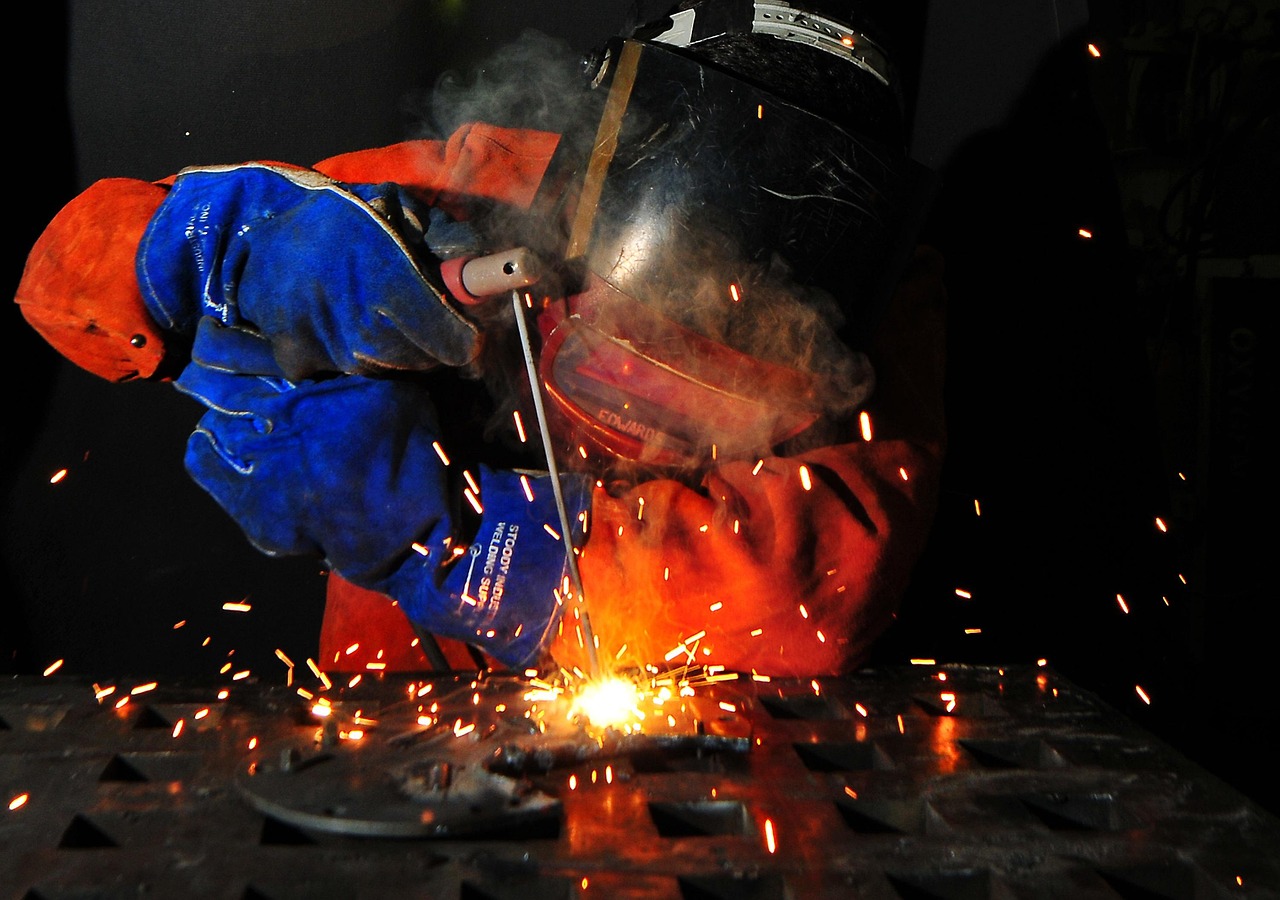
Input voltage, plug type, cable gauge, and labeling must fit the destination market. A wrong plug is not just a small mistake; it can create safety issues and returns. OSHA lists welding hazards such as metal fumes, ultraviolet radiation, burns, eye damage, electrical shock, cuts, and crushed toes and fingers. That is a reminder that machine sourcing must cover safe use, not only price. (osha.gov)
Warranty Claims and After-Sales Time
Warranty cost is easy to overlook during price negotiation. For a low-margin batch, even a small return rate can hurt the order result. Ask the supplier how claims are handled: free parts, credit note, replacement machine, or technical video support. Keep a simple claim form for photos, serial number, failure description, and working conditions, because it keeps later arguments shorter.
How Can You Make a Safer Buying Decision?
A safer buying decision balances price, job fit, repeat quality, and support. Labor cost also matters. The U.S. Bureau of Labor Statistics reported a $51,000 median annual wage for welders, cutters, solderers, and brazers in May 2024, with about 45,600 projected openings per year from 2024 to 2034. When skilled labor is not cheap, a machine that causes rework is not a real saving. (bls.gov)
Match Machine Type to Real Work
List the materials, thickness range, welding process, input voltage, working hours, and user skill level. A repair truck, a school lab, a gate workshop, and an OEM fabrication cell need different machines. If the buyer only welds thin sheet on weekends, an industrial unit may be too much. If the buyer runs production all day, a low-price hobby welder will likely cause trouble.
Ask for Evidence Not Promises
Useful evidence includes test videos with meters visible, duty cycle charts, internal photos, certificate copies, packaging photos, sample inspection reports, and spare parts lists. A supplier can still make mistakes, but written and visual checks reduce guesswork. If the quote is far below the market, ask what changed. It may be shorter cable, lower-rated parts, smaller carton, fewer accessories, or lighter inspection.
Run a Small Batch Trial First
For a new supplier, start with samples or a small batch. Test arc stability, heat buildup, feeding, cable temperature, fan noise, user setup, packing strength, and manual clarity. Let a real welder use the machine, not only a sales manager in a clean showroom. After feedback, lock the spec sheet and use it as the purchase standard for the next order.
FAQ
Q1: What Is a Good Welding Machine Price for Importers? A: A good price is one that matches the process, duty cycle, accessory set, compliance needs, and warranty plan. Very low prices can work for light MMA tools, but production MIG or TIG buyers should check total cost, not only unit cost.
Q2: Why Are Two 250A Welding Machines Priced So Differently? A: The difference may come from real output current, duty cycle, PCB quality, cooling design, cable length, torch grade, certificates, packaging, and batch testing. The same amp label does not mean the same machine.
Q3: Should You Choose MIG TIG or MMA for Better Value? A: MMA is usually the lowest-cost choice for simple repair. MIG is often better for faster fabrication and cleaner repeat work. TIG costs more when high-quality stainless steel or aluminum welds are needed.
Q4: How Can You Check if a Supplier Quote Is Too Cheap? A: Ask for a detailed spec sheet, load test data, duty cycle chart, internal photos, accessory list, certificate copies, and sample testing. If the supplier cannot explain the low price, handle the quote carefully.
Q5: What Is the Biggest Hidden Cost in Welding Machine Sourcing? A: Warranty and downtime often cost more than buyers expect. A cheaper machine with weak parts, poor packing, or unclear support can create returns, repair delays, and unhappy customers.