How Does Welding Machine Rate Influence Robotic Welding Efficiency in Structural Steel
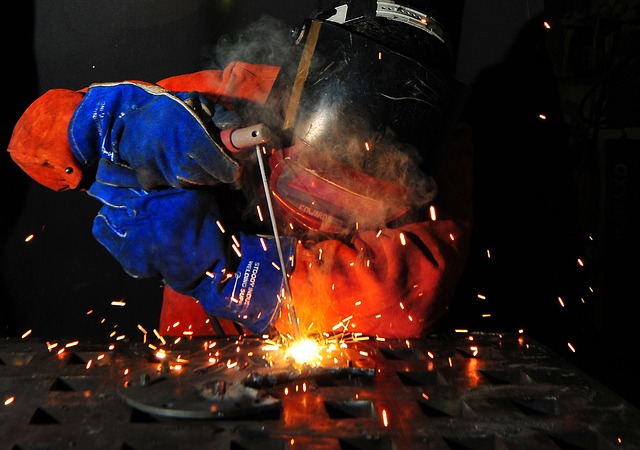
Robotic Welding for Structural Steel: Welding Automation for Beam Welding and Steel Structure Fabrication
Robotic welding in structural steel fabrication has reshaped productivity metrics by directly linking the welding machine rate to system efficiency. Higher rates translate into shorter cycle times and improved consistency, but they demand precise control of current, voltage, and motion paths. In automated beam welding lines, the balance between deposition speed and weld quality determines profitability. For large-scale projects such as bridges or industrial frames, optimizing these parameters reduces rework and energy waste while maintaining mechanical strength.
Understanding the Relationship Between Welding Machine Rate and Robotic Welding Efficiency?
The relationship between the welding machine rate and robotic efficiency is not linear; it depends on how process variables interact with robotic motion control and material characteristics.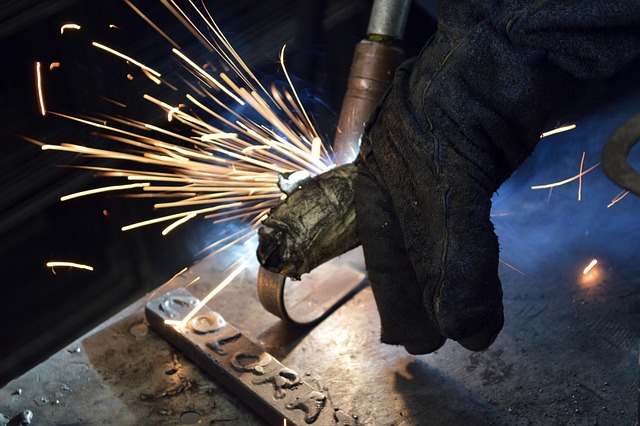
Defining Welding Machine Rate in Automated Systems
The welding machine rate represents how effectively a power source converts electrical energy into deposited metal over time. It reflects both productivity and energy utilization. Key parameters influencing this rate include current, voltage, duty cycle, and deposition rate. In robotic systems, these values are tightly controlled through feedback loops that maintain arc stability even at high travel speeds. Manual welding relies more on operator skill, whereas robotic welding measures performance through time-based metrics like arc-on ratio or wire feed efficiency.
The Role of Machine Rate in Robotic Welding Efficiency
A higher machine rate generally reduces cycle time by increasing deposition per unit time. However, excessive rates can destabilize the arc or produce inconsistent beads. In structural steel work, maintaining a stable arc ensures consistent penetration across thick joints. Efficient robots balance speed with precision to preserve structural integrity while minimizing thermal distortion.
Factors Affecting Welding Machine Rate in Structural Steel Applications
In structural steel fabrication, multiple variables—from material thickness to robot path accuracy—affect achievable machine rates.
Material Characteristics and Joint Design
Steel thickness, alloy composition, and joint geometry determine how fast a weld can be made without defects. Thicker materials require slower travel speeds to achieve full penetration. Optimized groove designs allow higher travel speeds by concentrating heat input efficiently while avoiding undercutting or lack of fusion.
Process Parameters and Power Source Configuration
Wire feed speed directly influences deposition rate; increasing it raises productivity but also heat input. Current density affects bead shape and penetration depth. Proper shielding gas flow stabilizes the arc environment, especially when using CO₂ or mixed gases in MIG processes. Inverter-based power sources offer fine control over output current even at variable loads, supporting consistent weld quality at high duty cycles.
Robot Motion Control and Path Accuracy
Machine rate settings must align with robot trajectory planning to prevent overlap or gaps between passes. Acceleration limits define how quickly the torch can change direction without causing spatter or distortion. Torch angles and approach paths influence effective speed since slight deviations affect bead geometry on vertical or overhead joints.
Optimizing Robotic Welding Parameters for Structural Steel Fabrication
Optimization involves synchronizing electrical parameters with robotic motion profiles while managing thermal effects on large assemblies.
Synchronizing Welding Rate with Robotic Motion Profiles
Coordinating robot travel speed with arc dynamics prevents over-deposition or burn-through. Advanced control systems adjust voltage and current based on real-time sensor feedback to maintain uniform bead shape even when joint fit-up varies slightly along long beams.
Thermal Management During High-Speed Welding Operations
At high machine rates, heat input rises sharply, risking distortion in large steel members. Controlling interpass temperature through preheating or cooling intervals maintains dimensional accuracy. Consistent heat management also minimizes residual stress accumulation that could compromise load-bearing capacity in finished structures.
Evaluating Efficiency Metrics in Automated Structural Steel Welding Lines
Efficiency evaluation combines production data with quality outcomes to assess true system performance beyond simple throughput numbers.
Key Performance Indicators for Robotic Welding Efficiency
Metrics such as arc-on time ratio, deposition efficiency, rework percentage, and downtime frequency reveal how effectively a system operates. Adjusting the welding machine rate impacts these indicators directly—too low reduces output; too high increases rework due to defects like porosity or incomplete fusion.
Data Acquisition and Process Monitoring Techniques
Modern robotic lines use sensors to monitor current-voltage stability during each weld pass. Digital twins simulate process behavior under different machine rates before implementation on real hardware. These tools predict thermal cycles, bead shape variations, and expected efficiency gains under specific configurations.
Enhancing System Integration for Improved Production Outcomes
Integration between robots, power sources, and monitoring systems ensures consistent results across complex multi-joint assemblies typical in steel structures.
Coordination Between Welding Equipment and Automation Systems
Communication protocols synchronize power source outputs with robot controllers so that any change in machine rate instantly adjusts motion parameters. This coordination maintains uniform bead geometry across sections of varying thickness without manual recalibration.
Maintenance Strategies to Sustain Optimal Machine Rates
High-duty-cycle operations accelerate wear on torches, cables, liners, and wire feeders. Preventive maintenance schedules help sustain peak performance by replacing components before degradation affects deposition consistency. Tracking wear patterns allows predictive servicing that avoids unplanned downtime during production runs.
Future Trends Influencing Welding Machine Rate Optimization in Structural Steel Robotics
The next phase of automation focuses on smarter control systems capable of self-adjustment based on data-driven insights from connected manufacturing environments.
Advancements in Sensor-Based Adaptive Control Systems
AI-driven feedback loops now enable real-time parameter adjustment during welding operations. Predictive algorithms analyze arc signals to anticipate instability before defects occur, reducing human intervention while maintaining quality standards required for structural applications governed by ISO 3834 or AWS D1.1 codes.
Integration of Advanced Power Sources and Digital Connectivity
High-frequency inverter systems allow finer modulation of current waveforms for better arc control at high speeds. Industry 4.0 frameworks connect every welding cell into centralized databases where performance data informs continuous improvement strategies focused on balancing productivity with durability across entire fabrication lines.
FAQ
Q1: What defines a good welding machine rate for structural steel robotics?
A: A good rate balances deposition efficiency with stable arc behavior—typically maximizing output without sacrificing weld integrity or causing thermal distortion.
Q2: How does joint design influence achievable welding speed?
A: Proper groove geometry supports faster travel by concentrating heat effectively while ensuring full penetration across thick sections.
Q3: Why are inverter-based power sources preferred in robotic systems?
A: They maintain consistent output under varying loads and allow precise waveform control crucial for repeatable weld quality at high duty cycles.
Q4: What role do sensors play in improving robotic welding efficiency?
A: Sensors provide real-time feedback on voltage, current, and torch position enabling adaptive adjustments that stabilize the process under changing conditions.
Q5: How can manufacturers prevent distortion during high-speed beam welding?
A: By managing heat input through preheating strategies, interpass temperature limits, and controlled cooling intervals to preserve dimensional accuracy across large assemblies.