Is the Rising Cost of Drilling Machine Slowing Texas Oil Recovery
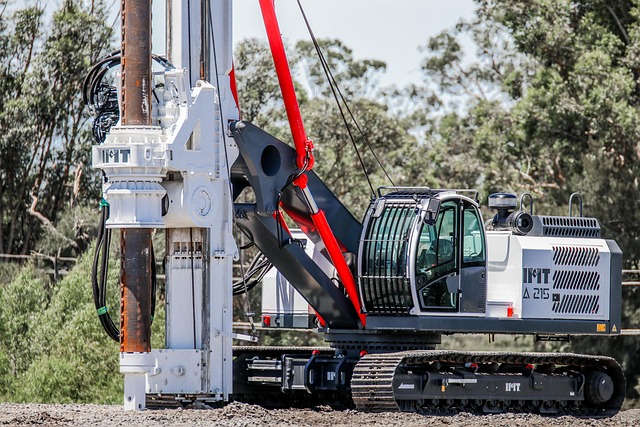
Despite Spiking Oil Prices, There’s No Talk of a Boom in Texas Oil Country
Texas oil producers are navigating a period of cautious recovery rather than exuberant expansion. Despite strong crude prices, the state’s energy sector faces rising equipment costs, capital restraint, and investor skepticism. The focus has shifted from rapid drilling to disciplined operations and technological efficiency. This measured approach underscores a structural change in how Texas oil companies balance profitability with long-term sustainability.
Economic Landscape of Texas Oil Recovery
Texas remains central to U.S. energy output, yet its recovery trajectory is more deliberate than in past upcycles.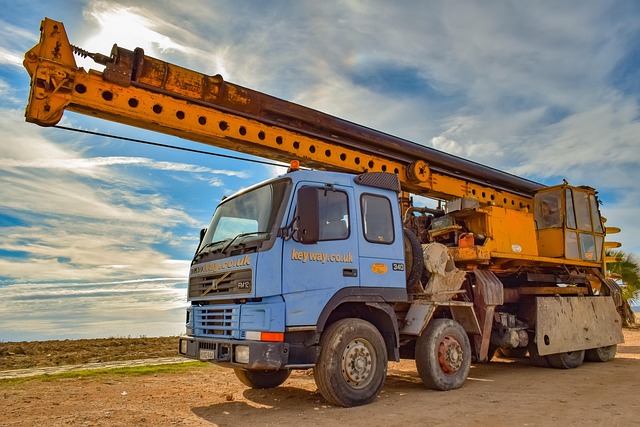
The Current State of Texas Oil Production
Post-pandemic production levels have rebounded but remain below pre-2020 peaks. Many operators are holding output steady despite favorable prices, prioritizing shareholder returns over volume growth. Global demand recovery has been uneven, with China’s slower industrial rebound and European energy transitions tempering consumption. Meanwhile, OPEC+ supply decisions continue to shape market sentiment. U.S. shale producers in Texas face renewed competition as Middle Eastern output stabilizes and African exports expand.
Factors Influencing the Pace of Recovery
Capital discipline defines this cycle. After years of volatile booms and busts, producers are wary of overextending. Investors now favor consistent cash flow instead of aggressive drilling campaigns. Environmental regulations have also tightened, pushing companies toward lower-emission operations and stricter water management protocols. These factors collectively slow the pace of recovery even as oil prices remain elevated.
The Rising Cost of Drilling Machines and Equipment
Rising input costs have become one of the defining challenges for Texas operators seeking to expand profitably.
Key Drivers Behind Equipment Cost Inflation
The cost of drilling machine components has surged due to supply chain disruptions affecting steel, motors, and logistics networks. Manufacturers still face backlogs from pandemic-era shortages, while transportation bottlenecks inflate shipping expenses. Labor shortages compound the issue; skilled machinists and field technicians command higher wages as competition intensifies across industrial sectors. At the same time, new rigs feature advanced automation systems that raise upfront costs but promise better performance over time.
How Cost Escalation Impacts Drilling Economics
Higher equipment prices translate directly into steeper capital expenditures per well drilled. This shift raises breakeven thresholds, forcing smaller independents to delay or cancel projects that once looked viable at $70 per barrel. Larger integrated firms with stronger balance sheets can absorb these increases more easily by leveraging economies of scale and long-term supplier contracts. Rig utilization rates have softened slightly as operators defer new orders until pricing stabilizes.
Investment Dynamics in the Texas Oil Sector
As cost pressures mount, capital allocation strategies within the industry are evolving toward risk mitigation and asset optimization.
Shifts in Capital Allocation Strategies
Producers increasingly favor low-risk development projects with predictable returns over speculative exploration ventures. Many focus on enhancing existing wells through refracturing or digital monitoring rather than pursuing new acreage acquisitions. Private equity firms continue to play a key role by funding smaller operators who maintain lean cost structures and flexible project timelines.
Financing Challenges for New Drilling Projects
Rising interest rates have lifted borrowing costs for equipment purchases and field development loans. This financial tightening discourages aggressive expansion even when commodity prices appear supportive. Investors remain cautious after previous downturns eroded confidence in perpetual growth models. Moreover, institutional funds are redirecting portions of their portfolios toward renewable energy assets, leaving fewer resources available for traditional oil ventures.
Technological Adaptation and Efficiency Measures
Innovation now serves as both a survival mechanism and a competitive differentiator across the Texas oil landscape.
Innovations Mitigating High Drilling Costs
Automation is transforming rig operations by reducing downtime and minimizing human error. Digital sensors enable predictive maintenance that prevents costly failures before they occur. Modular rig designs allow faster mobilization between sites, cutting idle time significantly. Real-time data analytics further optimize drilling parameters such as mud weight and bit rotation speed to enhance efficiency per foot drilled.
Balancing Technology Costs with Operational Benefits
Adopting advanced systems requires upfront investment but often yields measurable returns through reduced fuel use and shorter project cycles. Workforce training becomes essential as technicians adapt to software-driven workflows replacing manual oversight. Over time, these technologies could sustain production capacity even under tighter cost constraints while aligning operations with environmental performance targets favored by regulators and investors alike.
Regional Implications for Texas Oil Communities
Local economies across West Texas feel both the benefits of steady activity and the strain from slower expansion compared with earlier booms.
Economic Ripple Effects on Local Industries
Suppliers providing parts for rigs or servicing heavy machinery face thinner margins as producers negotiate harder on contract pricing. Trucking companies experience fluctuating demand tied closely to drilling schedules rather than continuous growth trends. Employment remains stable but not exuberant—many towns report fewer transient workers despite high oil prices because companies operate fewer rigs overall.
Strategic Responses from Local Operators and Policymakers
Regional policymakers are exploring targeted incentives such as tax credits or infrastructure grants to sustain investment momentum without overstimulating supply gluts. Industry associations collaborate with state agencies to strengthen supply chain resilience through local manufacturing initiatives aimed at reducing dependence on imported components like drill bits or casing steel. Workforce programs emphasize retraining displaced laborers for technical roles suited to digitalized field operations.
Outlook for Texas Oil Recovery Amid Rising Costs
The path forward depends largely on whether inflationary pressures ease or persist across industrial inputs critical to drilling economics.
Scenarios for Production Growth Under Current Conditions
If supply chains normalize and material prices stabilize, production could gradually increase through 2025 as deferred projects resume execution. Larger producers will likely lead this phase by exploiting scale efficiencies unavailable to smaller peers still constrained by financing limits.
Long-Term Considerations for Industry Competitiveness
Texas must balance short-term cost containment with maintaining its position as a global benchmark for efficient shale development. Continued investment in cleaner extraction methods could help secure its competitiveness amid mounting international scrutiny over carbon intensity metrics used by major importers like Europe and Asia.
FAQ
Q1: Why isn’t there an oil boom in Texas despite high prices?
A: Producers prioritize financial discipline over rapid expansion due to investor pressure and rising operational costs.
Q2: How does the cost of drilling machine affect project viability?
A: Elevated equipment prices raise breakeven points, making marginal wells uneconomical unless crude stays above certain price thresholds.
Q3: What technologies help offset higher drilling expenses?
A: Automation systems, modular rigs, and predictive analytics reduce downtime while improving resource efficiency per well drilled.
Q4: Are smaller operators at greater risk from cost inflation?
A: Yes, limited access to credit means small firms struggle more with upfront expenses compared with larger integrated companies.
Q5: How might state policy support future recovery?
A: Incentives targeting local manufacturing capacity and workforce training could help stabilize regional economies while sustaining moderate production growth rates.