How Plasma Cutting Table Technology Enhances Pennsylvania Turnpike Upkeep
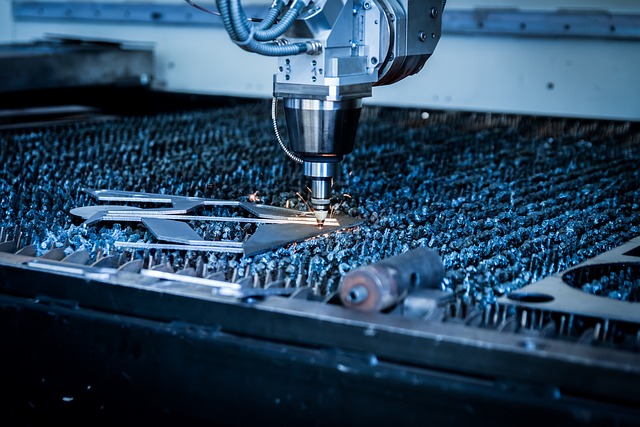
Plasma Cutting Opens Lanes for Pennsylvania Turnpike Upkeep
Modern infrastructure maintenance depends on precision fabrication, and plasma cutting table technology has become a central tool in that process. On the Pennsylvania Turnpike, where time and accuracy directly affect safety and traffic flow, automated plasma systems allow crews to produce custom metal components quickly. The outcome is fewer delays, safer work conditions, and lower long-term costs. This article explores how plasma cutting tables reshape highway maintenance by merging digital control with field-ready efficiency.
The Role of Plasma Cutting Table Technology in Infrastructure Maintenance
Plasma cutting plays a crucial role in maintaining large-scale infrastructure networks. For road authorities like the Pennsylvania Turnpike Commission, it provides a reliable method to repair or replace metal components without relying solely on external suppliers.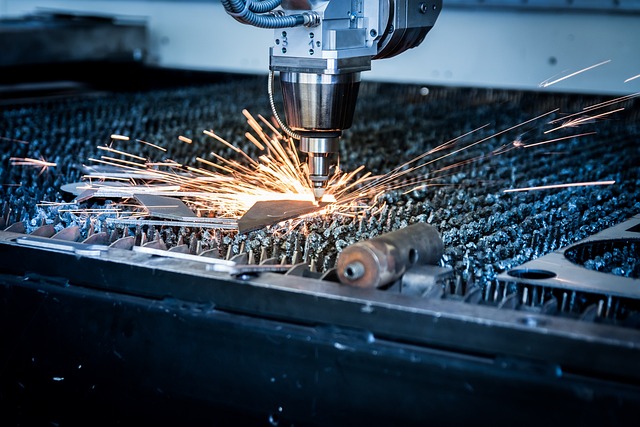
Understanding Plasma Cutting in the Context of Highway Upkeep
Plasma cutting uses ionized gas to slice through conductive materials with remarkable accuracy. In highway upkeep, this capability translates into efficient fabrication of steel plates, guardrails, and bridge reinforcements. The process enables maintenance teams to produce replacement parts that fit precisely into existing assemblies, minimizing structural downtime. By supporting quick production cycles, plasma cutting tables help maintain the operational integrity of critical roadway systems.
Why Plasma Cutting Tables Are Vital for Roadway Maintenance Operations
In large maintenance operations such as those on the Pennsylvania Turnpike, plasma cutting tables streamline part fabrication for bridges and toll structures. Their CNC-guided motion ensures dimensional accuracy across steel and aluminum components essential for turnpike upkeep. Automation reduces manual intervention during cutting tasks, improving worker safety while maintaining consistent output quality. These advantages collectively make the plasma cutting table an indispensable asset in modern roadway maintenance operations.
Integration of Plasma Cutting Tables into Pennsylvania Turnpike Maintenance Workflows
Integrating advanced fabrication tools requires coordination between design engineers and field crews. On the Pennsylvania Turnpike, this integration has led to faster repairs and standardized component production across multiple districts.
Enhancing Efficiency in Fabrication and Repair Processes
Maintenance teams can fabricate guardrail sections, signage brackets, or reinforcement plates directly at service facilities using portable plasma tables. CNC control allows repeatable precision cuts that match pre-approved design templates. This reduces turnaround time for emergency repairs—an important factor when lane closures impact thousands of vehicles daily. As a result, crews spend less time waiting for outsourced parts and more time restoring full roadway function.
Coordination Between Maintenance Teams and Fabrication Units
Digital design files shared between engineers and field technicians eliminate miscommunication during fabrication. CAD integration allows direct translation from blueprint to cut path, reducing human error and ensuring each component meets engineering specifications. Predefined templates also standardize production across multiple maintenance sites along the turnpike network, promoting uniformity in repair quality and part compatibility.
Technological Advancements Driving Improved Performance
Recent innovations have made plasma cutting tables smarter and more energy-efficient than ever before. These improvements directly affect cost control and environmental performance within transportation infrastructure projects.
Automation and Digital Control Systems
Modern CNC controllers calculate optimized cutting paths based on material thickness and geometry, improving both speed and precision. Real-time monitoring systems track arc stability and gas flow to maintain consistent results across different materials. Automated torch height control keeps cut depth uniform even when sheet surfaces vary slightly—an essential feature when working with recycled or uneven stock materials common in maintenance yards.
Energy Efficiency and Environmental Considerations
Compared with oxy-fuel methods traditionally used for steel work, new-generation plasma systems consume less power while producing cleaner edges that require minimal grinding or finishing. Reduced post-processing means fewer consumables used per job and less scrap generated overall. Lower emissions from efficient power conversion contribute to sustainable practices aligned with state-level environmental goals for public works operations.
Safety, Precision, and Cost Management Benefits
The adoption of automated plasma equipment also brings measurable gains in workplace safety and operational budgeting—two priorities for every public infrastructure agency managing high-traffic assets like the turnpike system.
Improving Worker Safety Through Automation
Automation limits direct operator exposure to heat sources or sparks during metal cutting tasks. Many modern plasma tables include enclosed chambers or fume extraction units that further protect personnel from airborne particulates generated during operation. Remote interfaces enable operators to manage cutting sequences from safe distances without compromising visibility or control accuracy during production runs.
Reducing Material Waste and Operational Costs
Advanced nesting software arranges part outlines on sheet metal efficiently to minimize leftover scrap material. Consistent precision reduces rework frequency since each piece fits correctly on first assembly attempt. Over time these efficiencies translate into reduced labor hours per project cycle and longer-lasting structural components due to precise fitment—a combination that lowers total lifecycle costs for state-managed infrastructure assets like bridges or toll gantries along the Pennsylvania Turnpike corridor.
Future Outlook: Expanding the Role of Plasma Cutting in Turnpike Infrastructure Projects
As transportation agencies adopt more data-driven approaches to asset management, plasma technology is expected to integrate deeper into predictive maintenance frameworks across Pennsylvania’s highway network.
Integration with Smart Infrastructure Initiatives
IoT-enabled plasma systems can transmit usage metrics such as operating temperature or consumable wear directly into centralized databases used by maintenance planners. These insights support predictive scheduling—replacing parts before failure rather than after breakdowns occur—enhancing reliability across critical highway structures like overpasses or barrier walls. Data traceability also improves documentation for compliance audits tied to federal transportation funding programs overseen by agencies such as FHWA (Federal Highway Administration).
Potential for Broader Application Across Statewide Transportation Systems
The same digital fabrication principles applied on the turnpike can extend statewide to other road networks managed by PennDOT or municipal authorities seeking consistent performance standards across their fleets of maintenance facilities. Cross-departmental collaboration could unify component specifications so that parts fabricated in one region fit seamlessly elsewhere—a practical step toward standardized infrastructure management supported by automation-driven manufacturing technologies like CNC plasma cutting tables.
FAQ
Q1: What materials can a plasma cutting table handle?
A: It can cut conductive metals such as steel, stainless steel, aluminum, copper, and brass efficiently using ionized gas arcs controlled by CNC systems.
Q2: How does a plasma table improve safety compared with manual torch cutting?
A: Automation removes operators from direct contact with heat sources while enclosed designs contain sparks and fumes within controlled environments.
Q3: Are portable plasma tables suitable for field use on highways?
A: Yes, compact units powered by inverter technology allow onsite fabrication of small components without transporting heavy materials back to central workshops.
Q4: Does using a plasma table reduce project costs over time?
A: Reduced waste through optimized nesting software combined with faster turnaround times lowers both material expenses and labor hours per repair cycle.
Q5: How does this technology align with sustainability goals?
A: Energy-efficient power supplies cut electricity consumption while cleaner cuts minimize secondary processing waste—supporting environmentally responsible infrastructure practices throughout state operations.