How Can CNC Insert Tooling Cut Cycle Time Without Wasting Inserts?
Why Does CNC Insert Tooling Matter More Than the Insert Price?
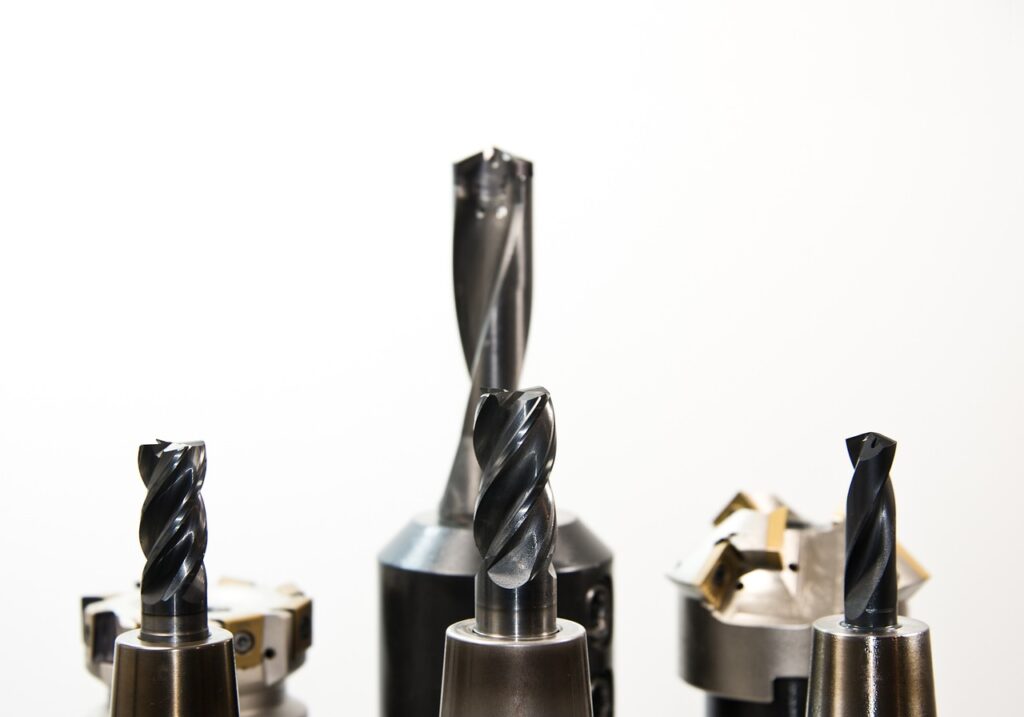
Good cnc insert tooling is not just a box of carbide tips. It is how you match material, machine power, holder rigidity, chip control, finish, and cost per part. If you are setting up a steadier Tooling plan for CNC production, the insert choice is often the small item that changes the whole job.
Cutting Time Beats Edge Price
A cheap insert can look good on a purchasing sheet, but the real check is simple: how many good parts does one edge make before finish, size, or burrs start to fail? A $6 edge that lasts 20 minutes may cost more than a $10 edge that runs one shift section with fewer offsets. For turned steel parts, even a 5-second cycle saving matters when the order is 10,000 pieces.
Repeatable Edges Keep Quotes Stable
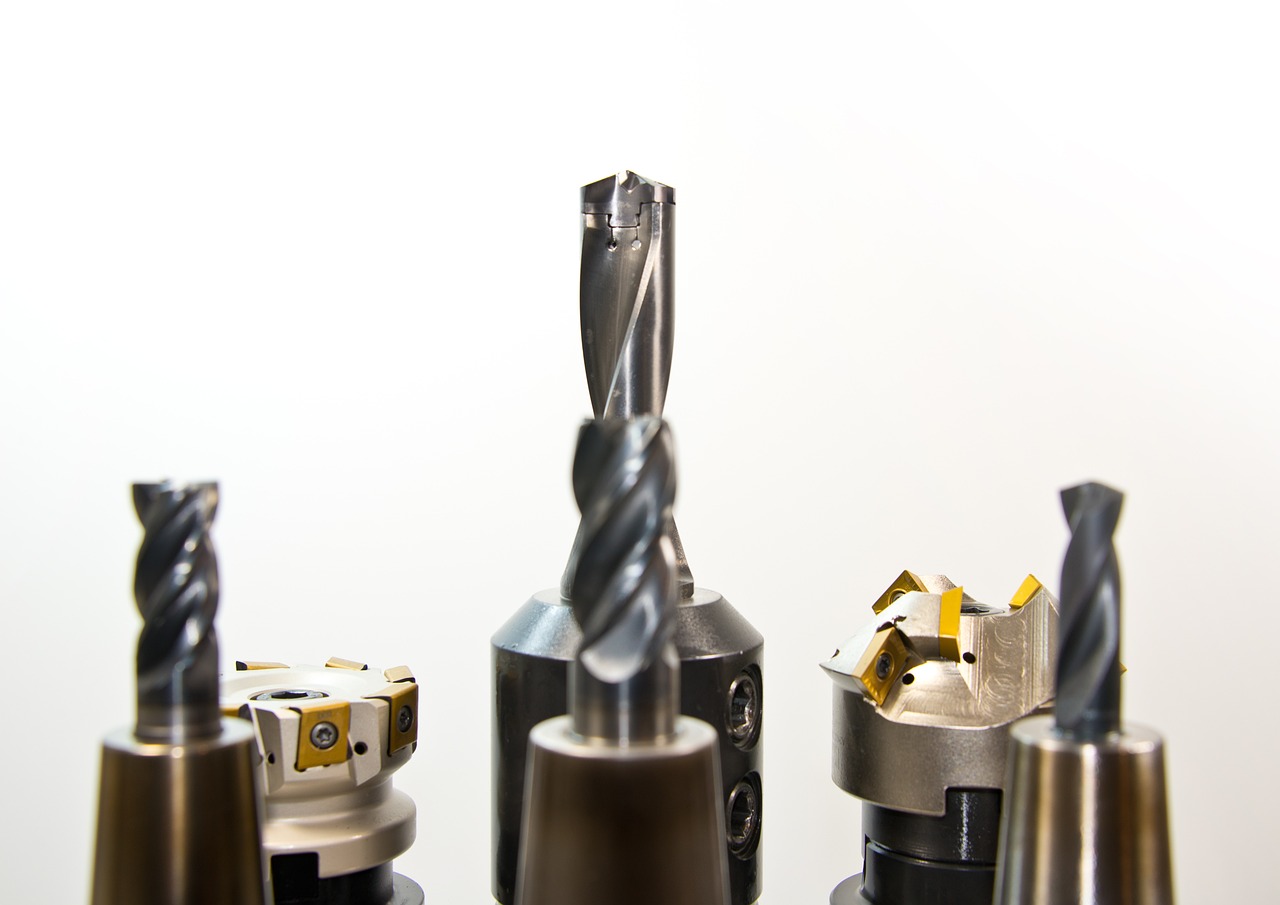
Repeatability is easy to miss during quoting. A job may look fine in the office, then lose money on the machine because the insert wears in no clear pattern. Stable CNC insert tooling helps you hold size, cut manual checks, and keep delivery dates under control. For export work, this matters because one late shipment can cost more than the tooling trial.
Current Demand Rewards Better Tooling Choices
Cutting tools are not a side item in manufacturing. AMT and the U.S. Cutting Tool Institute reported that U.S. cutting tool shipments reached $239.8 million in May 2026, with year-to-date shipments at $1.2 billion, up 16.8% from the same period in 2025. This data does not tell any shop which insert to buy, but it shows a clear point: factories are still spending on tools that help them ship parts. (amtonline.org)
Which Insert Code Should You Read Before You Buy?
Before you compare brands, read the insert code. The letters and numbers are not for decoration. They tell you the shape, clearance, tolerance, hole style, size, thickness, and nose radius. A quick code check avoids a common mistake: the insert looks close, but it does not sit right in the holder.
ISO Designation Comes First
ISO 1832:2017 sets a designation code for common indexable inserts, so ordering and specification are easier between suppliers. In shop terms, a code such as CNMG, DNMG, CCMT, or WNMG gives both sides a shared starting point. It will not cover every proprietary milling insert, but it is still useful for standard turning inserts. (iso.org)
Shape and Clearance Set Rigidity
A negative insert, such as many CNMG styles, can take heavier roughing because the edge is stronger. A positive insert, such as many CCMT styles, cuts with less force and works well on smaller lathes, thin walls, or light finishing. If the part chatters, do not blame the grade first. Check stickout, holder condition, insert seating, and the actual depth of cut.
Nose Radius Sets Finish and Load
A larger nose radius can help finish and edge strength, but it also adds cutting pressure. On a slender shaft, that pressure may push the work and leave taper. On a rigid part, it may be the right choice. A common shop method is to rough with a stronger radius, then finish with a smaller radius only when the surface callout or wall strength calls for it.
How Should You Match Inserts to Workpiece Material?
Material matching sounds basic, but many tooling problems start there. The same insert that runs well in 1045 steel may smear aluminum, work harden stainless, or chip in interrupted cast iron. Start with the workpiece group first. Then choose geometry and grade around that material.
Steel and Stainless Need Different Edge Strength
ISO P steel covers a wide range, from low carbon steel to alloy steel. It usually allows higher cutting speed than stainless when the setup is stiff. ISO M stainless is more difficult because it can work harden, make stringy chips, and wear a weak edge fast. Seco describes ISO P as steel materials and ISO M as stainless materials, while also noting that each group has its own machining behavior. That is why one “general purpose” insert may work for rough trials but fail on a long stainless job. (secotools.com)
Cast Iron and Aluminum Ask for Different Chip Behavior
ISO K cast iron often makes short chips and abrasive dust. It needs strong edges, proper extraction, and grades that can resist abrasion. ISO N aluminum, copper, and brass need sharp edges and enough chip space. For aluminum, a polished or uncoated sharp insert often cuts cleaner than a tough steel roughing grade. A small built-up edge can ruin a clean milled face in one pass. It is a small issue on paper, but it is very real on the machine.
Heat Resistant and Hardened Materials Need Tighter Limits
ISO S heat-resistant alloys and ISO H hardened steels do not leave much room for guessing. Nickel alloys hold heat near the cutting edge, and hardened steels can chip weak grades, especially in interrupted cuts. In these jobs, do not chase speed too early. Use the supplier’s starting range, run a short test, inspect the edge, and change one factor at a time.
What Geometry and Grade Choices Help You Stop Burning Edges?
When inserts fail early, the cause is often a mix of heat, rubbing, weak clamping, and the wrong edge shape. A better grade helps, but it cannot make up for a bad setup every time. The real target is not miracle tool life. It is wear you can read and repeat.
Positive Geometry Lowers Cutting Force
Positive rake inserts cut with less force. They help when you machine stainless tubes, aluminum housings, bronze bushings, or small parts on lower-horsepower machines. The tradeoff is edge strength. If you rough forged steel with an aggressive positive edge and a heavy interrupted cut, chipping along the edge is not a surprise.
Coating Choice Follows Heat and Wear
CVD coatings are common for steady, hotter cuts in steel and cast iron. PVD coatings are often used where a sharper edge helps, such as stainless finishing or small depths of cut. Uncoated or polished choices can work well in non-ferrous materials. The coating is not a label to show off. It is there to handle heat and friction, so match it to the cut.
Wear Photos Tell the Truth
Do not wait until the insert breaks. Pull the edge and look at it under good light. Flank wear, crater wear, notch wear, chipping, and built-up edge point to different fixes. A NIST study on hardened tool steels found that workpiece carbide size had a strong effect on tool wear and that flank wear rate could correlate with mean carbide diameter. The shop-floor lesson is clear enough: material structure changes wear, even when two parts carry a familiar material name. (nist.gov) See also: Machines.
How Do Feeds Speeds and Coolant Change Insert Life?
After the insert is chosen, cutting data decides whether it works. Many shops change three settings at once, then nobody knows what fixed the problem. A cleaner way is to set a safe starting speed, use a feed that actually cuts, keep depth of cut steady, and then read the chip and edge.
Feed Must Stay Above Rubbing
Too light a feed can be worse than a firm cut. The insert rubs, heat goes up, and the edge dulls without making a proper chip. In finishing, you still need enough chip thickness for the geometry to work. If the surface looks shiny but size drifts and the edge looks polished, the insert may be rubbing more than cutting.
Speed Sets Heat Faster Than Most People Expect
Speed changes heat quickly. Raise surface speed too much and the insert may fail from crater wear or thermal cracking. Drop speed too low and chips may weld to the edge in gummy materials. For a new job, do not start at the top of the catalog range unless the machine, holder, coolant, and part clamping have already been proven.
Coolant Control Is a Shop Health Issue
Coolant is not only about tool life. OSHA states that metalworking fluids can affect workers through skin contact and inhaled mist or aerosol, and its manual lists a permissible exposure limit of 5 mg/m³ for mineral oil mist as an 8-hour time-weighted average. HSE guidance also points shops toward monitoring bacterial contamination, concentration, and pH. Clean delivery, proper enclosures, and mist control protect inserts and people at the same time. (osha.gov)
How Can You Buy CNC Insert Tooling for Small Batch and Export Work?
Small batch work needs a different approach from automotive-style mass production. Cycle time still matters, but quick setup, flexible holders, and stock that is easy to replace matter too. For export machining suppliers, stable tooling records also help when a customer reorders after six months.
Start With a Proven Holder Family
Do not fill the cabinet with random holders just because each one was cheap that week. Pick a practical holder family for your main turning and milling work, then build insert choices around it. Standard toolholders, common screw sizes, and easy-to-source clamps save time when a machine is down. They also help when someone needs the job running before lunch.
Keep Trial Notes Short and Useful
A tooling trial does not need a long report. Record material grade, hardness if known, insert code, grade, speed, feed, depth of cut, coolant, tool life, finish, and failure mode. Add one photo of the worn edge. That small record helps the next programmer avoid the same bad guess, and it makes purchasing less emotional.
Balance Standard Stock With Special Inserts
Keep common roughing and finishing inserts in stock for steel, stainless, aluminum, and cast iron. Use special inserts for jobs that truly need them, such as high-temp alloys, thin-wall parts, or tight surface finish work. A useful cabinet has basic daily stock and a few job-specific choices. That sounds plain, but plain often wins in production.
FAQ
Q1: What Is CNC Insert Tooling? A: CNC insert tooling uses replaceable cutting inserts mounted in holders for turning, milling, boring, grooving, drilling, and threading. You replace the worn edge instead of changing the whole tool body.
Q2: Are Carbide Inserts Always Better Than HSS Tools? A: Not always. Carbide inserts usually run faster and last well in production, but HSS can still make sense for special forms, low-speed manual work, and one-off repair jobs.
Q3: How Do You Know When an Insert Is Worn Out? A: Watch for size drift, poor finish, higher spindle load, burrs, bad chips, noise, and visible flank wear or chipping. Replace the edge before it damages the part or holder.
Q4: Should You Choose a Universal Insert Grade? A: A universal grade is a good starting point for mixed work. For repeat jobs, a material-specific grade usually gives better tool life, finish, and chip control.
Q5: What Is the Biggest Mistake When Buying Inserts? A: The biggest mistake is buying by price only. Match the insert code, grade, geometry, holder, material, and cutting data first. Then compare cost per finished part, not cost per edge.