Is The Aluminium Cutting Machine Redefining Operation Efficiency In The Industry
Operation, Production, or Automation: Why the Job Cuts in the Aluminium Industry?
The aluminium industry is undergoing a structural transformation driven by automation, digital control, and smart manufacturing. Job cuts are not merely a result of economic downturns but stem from a redefinition of operational efficiency. As aluminium cutting machines evolve into intelligent systems capable of autonomous calibration and predictive maintenance, traditional manual roles are being replaced by programming and data-driven supervision. The shift is less about workforce reduction and more about skill realignment—where human oversight complements machine precision.
The Evolution of Aluminium Cutting in Industrial Operations
Advancements in aluminium cutting reflect broader industrial trends toward automation and digitalization. From manual saws to CNC-driven systems, each phase has reshaped production speed, accuracy, and labor demand.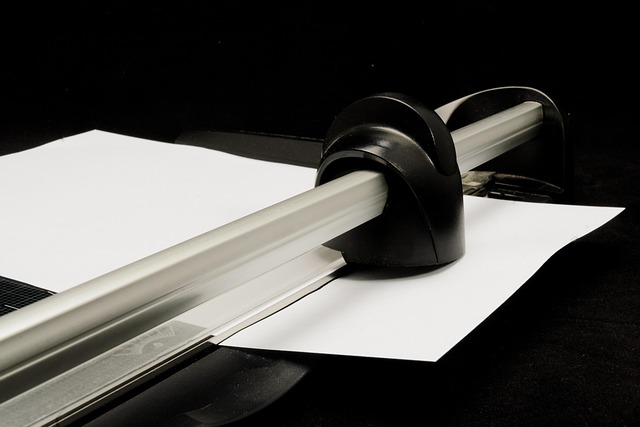
Shifts in Manufacturing Processes Over Time
Traditional aluminium cutting once relied on manual or semi-automated setups that required constant operator attention. Early factories often used mechanical shears or band saws, limiting precision and throughput. The introduction of CNC (Computer Numerical Control) systems in the late 20th century marked a turning point, enabling repeatable accuracy across large batches. Robotic arms later extended these capabilities to complex geometries, allowing continuous operation with minimal supervision. Integration with digital control platforms now allows real-time parameter tuning, transforming consistency standards once thought unattainable.
The Role of Automation in Aluminium Fabrication
Automation has become central to modern aluminium fabrication lines. Automated cutting minimizes human error while reducing material waste through precise path control. Machine learning algorithms now refine cutting trajectories based on sensor feedback, improving both energy efficiency and cycle time. When linked with production planning software, these machines synchronize seamlessly with upstream processes such as extrusion or finishing—creating an ecosystem where downtime is nearly eliminated.
Understanding the Aluminium Cutting Machine’s Technological Framework
The aluminium cutting machine embodies a convergence of mechanical engineering and computational intelligence. Its internal framework determines not only how efficiently it cuts but also how predictably it performs under varied workloads.
Core Components and Mechanisms
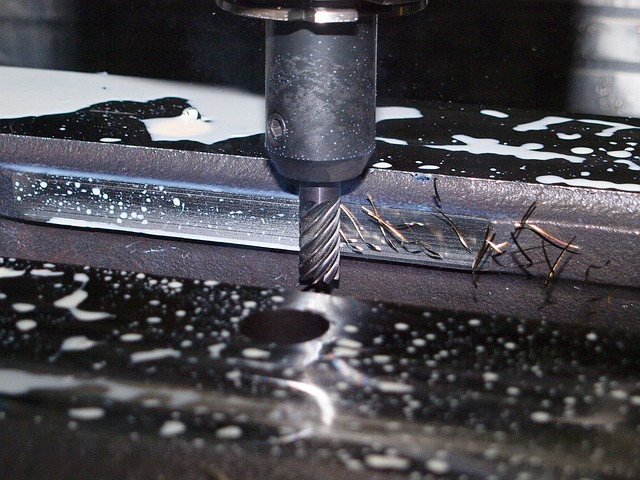
A high-performance aluminium cutting machine typically features high-speed spindles paired with servo motors for controlled motion. Depending on application needs, laser or plasma systems may replace traditional blades for finer tolerances. Precision sensors track dimensional deviations within microns, maintaining accuracy even on curved or multi-axis profiles. Cooling circuits regulate temperature during prolonged operations, while chip management systems prevent tool wear—both crucial for extending service life and maintaining surface integrity.
Digital Control Systems and Software Integration
CAD/CAM software integration bridges design intent with physical execution. Engineers can upload 3D models directly into machine controllers without manual reprogramming. Real-time monitoring dashboards display spindle load, tool wear rates, and vibration metrics—data that supports predictive maintenance schedules before failures occur. Predictive analytics modules now adjust feed rates dynamically to maintain consistent throughput without sacrificing quality.
Operational Efficiency Redefined by Advanced Cutting Machines
Modern aluminium plants measure success not just by output volume but by how effectively they use time and energy resources. The latest generation of cutting machines redefines both metrics simultaneously.
Productivity Gains Through Automation
Automated setups cut preparation time dramatically; switching between product variants no longer requires manual recalibration. Multi-axis machining heads perform simultaneous operations—cutting, drilling, chamfering—in one pass, minimizing idle intervals between stages. This consistency reduces rework frequency and inspection demands since deviations are corrected automatically during operation.
Energy Efficiency and Resource Optimization
Energy consumption represents a major cost factor in metal processing plants. Smart power modules now reduce draw during standby phases without halting system readiness. Nesting algorithms calculate optimal sheet layouts to minimize scrap ratios below 5%, saving raw material costs over long production runs. Enhanced coolant recycling loops further lower electricity usage associated with thermal management.
Workforce Dynamics and Job Structure Transformation in the Aluminium Industry
As automation reshapes production floors, the human role evolves from execution to orchestration. This shift explains much of the employment restructuring across global aluminium facilities.
Changing Skill Requirements for Operators and Engineers
Manual operators increasingly transition into supervisory roles involving code input, calibration verification, or system diagnostics. Continuous training programs have become essential as control interfaces grow more complex yet intuitive at once. Employers now seek professionals who blend mechanical insight with data interpretation skills—a rare combination that commands premium value in recruitment markets.
Automation’s Influence on Employment Patterns
Repetitive manual positions decline as automated lines assume those responsibilities around the clock without fatigue or variance. However, new opportunities arise in process optimization teams focusing on algorithm tuning or sensor calibration accuracy checks. The workforce thus shifts toward innovation-oriented functions rather than direct mechanical handling—a pattern mirrored across other advanced manufacturing sectors.
Economic Implications of Aluminium Cutting Machine Adoption
Automation introduces upfront costs yet delivers measurable financial returns through reliability and predictability over time.
Cost-Benefit Analysis in Production Environments
Capital investment in an advanced aluminium cutting machine can be substantial but pays back through reduced defect rates and consistent quality output. Lower scrap percentages translate directly into savings on raw ingots or sheets. Predictable cycle durations improve scheduling accuracy across supply chains—crucial for just-in-time manufacturing models common among automotive clients.
Market Competitiveness Through Technological Advancement
Adopters of next-generation machinery respond faster to custom orders thanks to flexible programming interfaces that accommodate design variations instantly. Shorter delivery cycles enhance client loyalty while supporting higher contract renewal rates. Companies aligning their infrastructure with Industry 4.0 protocols gain scalability advantages when integrating future automation layers such as AI-driven scheduling agents or cloud-based performance tracking networks.
Future Outlook: Integrating Smart Manufacturing with Aluminium Processing
The trajectory points toward fully connected ecosystems where machines communicate autonomously across entire plants—and even continents.
Emerging Trends in Machine Intelligence and Connectivity
AI-enabled adaptive controls continuously learn from operational data streams to fine-tune parameters like spindle torque or coolant flow rate mid-process. IoT connectivity allows remote technicians to diagnose issues from centralized hubs thousands of miles away, drastically reducing downtime response windows. Cloud analytics platforms facilitate cross-site benchmarking so global manufacturers can share performance insights instantly among distributed teams.
Sustainability Considerations in Next-generation Aluminium Fabrication Systems
Sustainability is no longer optional; it’s embedded within design philosophy itself. Energy-efficient drives cut carbon emissions per unit output significantly compared to legacy equipment benchmarks published by ISO energy management standards (ISO 50001). Recycling loops built into automated lines reclaim chips directly back into smelting circuits—a tangible step toward circular economy principles gaining traction worldwide.
FAQ
Q1: Why are job cuts happening despite industry growth?
A: Automation replaces repetitive tasks but creates new technical roles requiring higher skill levels; overall employment shifts rather than disappears.
Q2: How does an aluminium cutting machine improve product quality?
A: It maintains dimensional precision through sensor feedback loops that correct deviations instantly during operation cycles.
Q3: What is the typical return period for investing in advanced machinery?
A: Most manufacturers recover capital expenditure within three to five years due to reduced waste and increased throughput stability.
Q4: Are smaller factories adopting these technologies too?
A: Yes, modular CNC units make automation accessible for mid-sized workshops seeking incremental upgrades without full plant overhauls.
Q5: How does sustainability tie into automated aluminium processing?
A: Modern systems use less power per cut and recycle waste internally, aligning production goals with environmental compliance targets set by international standards bodies like ISO and IEA guidelines on industrial energy efficiency.


