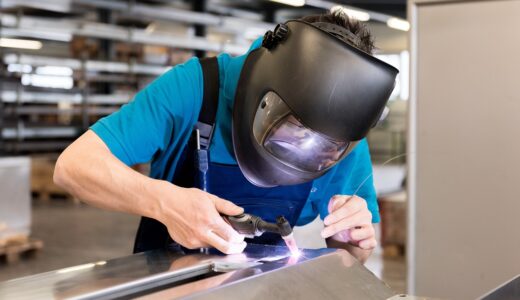
How Does Machining Aerospace Benefit from Zimmermann Gantry Milling Technology
Zimmermann Supplies Gantry Milling Machine for Aerospace
Zimmermann’s gantry milling technology has redefined machining aerospace components by combining structural rigidity, multi-axis flexibility, and intelligent digital control. The company’s machines allow aircraft manufacturers to produce large, complex parts with micron-level precision while maintaining efficiency and sustainability. Their systems are designed to handle aluminum, titanium, and composite materials—key to modern aircraft design—making them indispensable for OEMs seeking performance consistency and shorter production cycles.
Advancements in Aerospace Machining Through Zimmermann Gantry Milling Technology
The Role of High-Precision Machining in Aerospace Manufacturing
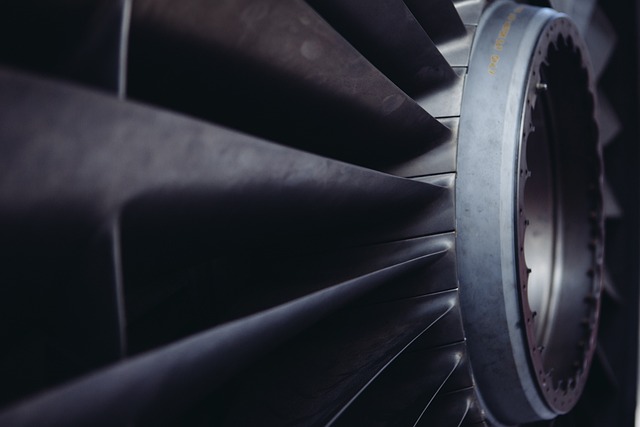
Aerospace manufacturing demands extreme precision because every component must withstand intense mechanical loads and thermal stresses. Even a minor deviation can compromise flight safety or efficiency. High-precision machining allows consistent dimensional control across thousands of parts. Lightweight materials such as aluminum alloys, titanium, and carbon fiber composites require specialized cutting strategies due to their differing thermal expansion rates and hardness. Precision milling also ensures structural integrity in flight-critical parts like turbine housings or wing spars where tolerance variation could affect aerodynamic behavior.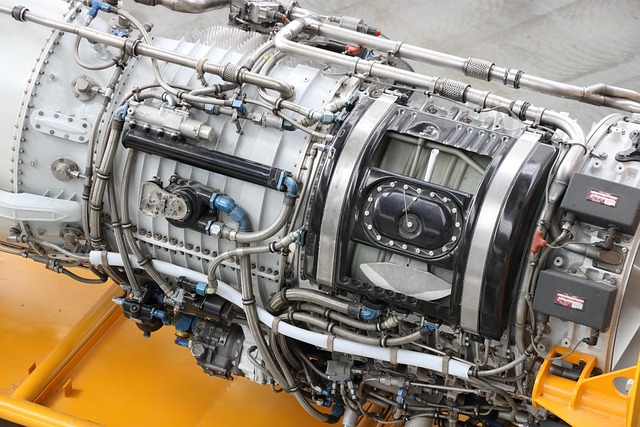
Evolution of Gantry Milling in Aerospace Applications
As aircraft structures grew larger and more complex, traditional 3-axis machining centers became insufficient. Gantry milling emerged to handle these oversized components while maintaining accuracy across extended work envelopes. Over time, the technology evolved into 5-axis systems capable of simultaneous motion along multiple planes. This advancement allowed smoother contouring for aerodynamic surfaces. Integration of CNC controls and automation improved process repeatability, reducing operator dependency and increasing throughput for high-value aerospace assemblies.
Core Features of Zimmermann Gantry Milling Machines
Zimmermann’s gantry milling platforms combine mechanical robustness with digital intelligence to meet the aerospace industry’s demand for precision and reliability.
Structural Design and Mechanical Stability
The rigid gantry architecture minimizes vibration during high-speed cutting operations, an essential factor when machining thin-walled aerospace structures. Thermally stable cast materials maintain geometric accuracy under fluctuating shop temperatures. The modular frame design allows customization for different part sizes—from small fuselage ribs to full-scale wing panels—without compromising stiffness or accessibility.
Multi-Axis Capabilities for Complex Geometries
Simultaneous 5-axis machining enables continuous tool engagement with curved surfaces such as turbine blades or engine casings. This reduces repositioning steps that often introduce alignment errors. Advanced adaptive control systems automatically adjust feed rates based on tool load feedback, optimizing paths for intricate aerospace geometries while maintaining consistent chip removal.
Integration of Digital Control Systems
Modern Zimmermann machines use advanced CNC platforms that provide real-time feedback loops between sensors and control units. Intelligent software modules allow operators to simulate processes before execution, preventing collisions or tool interference. Connectivity features support Industry 4.0 integration so that each machine communicates production data directly into enterprise resource planning systems for traceability and predictive maintenance scheduling.
Performance Advantages in Aerospace Component Manufacturing
Zimmermann’s gantry mills deliver measurable gains in both product quality and production efficiency across large-scale aerospace programs.
Enhanced Surface Quality and Dimensional Accuracy
High spindle speeds combined with dynamic stiffness yield mirror-like surface finishes on aerodynamic skins. Precision interpolation eliminates step marks that could disrupt airflow or cause drag penalties during flight testing. Improved tolerances lead to better assembly fits, minimizing the need for manual rework during final integration at the airframe level.
Efficiency Gains in Large-Part Machining
The expansive working envelope accommodates entire fuselage sections or wing spars within a single setup. Optimized chip evacuation systems keep the cutting area clean during long cycles, reducing downtime caused by manual cleaning interruptions. Reduced setup time translates directly into higher throughput—a key advantage when producing limited-run prototypes or ramping up serial production.
Material Flexibility and Tool Compatibility
Machine configurations are engineered to handle both lightweight alloys used in commercial jets and high-strength metals found in defense applications. Automated tool changers switch between roughing cutters and fine finishing tools without operator intervention. Cooling systems tailored for titanium or composite cutting preserve edge sharpness while preventing delamination or heat distortion on sensitive materials.
Technological Innovations Driving Process Optimization
Zimmermann integrates advanced compensation algorithms, robotics, and data-driven management tools that transform conventional machining into a fully optimized industrial process.
Dynamic Compensation Systems for Thermal Stability
Real-time compensation algorithms correct dimensional drift caused by temperature variations over long machining cycles. Embedded sensors track temperature gradients across the machine frame, feeding data back into the control system to maintain micron-level stability throughout multi-hour operations—critical for compliance with stringent aerospace quality standards such as AS9100.
Automation and Process Integration Capabilities
Automated loading systems reduce manual handling risks associated with large parts exceeding several meters in length. Built-in calibration routines verify spindle alignment before each shift change, ensuring repeatability across continuous production schedules. Data-driven maintenance planning uses sensor analytics to predict wear patterns on bearings or guideways before they cause unplanned stoppages.
Strategic Impact on Aerospace Production Efficiency
Zimmermann’s technology contributes not only to technical excellence but also to strategic competitiveness within global aerospace supply chains.
Reducing Lead Times in Aircraft Component Manufacturing
Faster cycle times accelerate transitions from prototype validation to full-scale production runs for new aircraft models. Integrated machining centers consolidate drilling, milling, and finishing operations into one setup—a direct reflection of lean manufacturing principles adopted by leading OEMs seeking shorter delivery schedules without sacrificing quality assurance benchmarks.
Supporting Sustainable Manufacturing Practices
Energy-efficient drive motors reduce power consumption during extended operations while maintaining torque consistency under heavy loads. Optimized material utilization minimizes waste from oversized billets through near-net-shape cutting strategies. Predictive maintenance extends equipment lifespan, reducing spare part consumption and overall environmental footprint over the machine’s operational life cycle.
Enhancing Competitive Advantage for Aerospace Manufacturers
Adopting Zimmermann gantry milling solutions strengthens manufacturers’ ability to meet international certification requirements from authorities like FAA or EASA through traceable process documentation and consistent accuracy levels. Scalable configurations enable quick adaptation when aircraft designs evolve toward lighter structures or hybrid propulsion systems—maintaining long-term competitiveness across shifting market demands.
FAQ
Q1: What makes gantry milling ideal for aerospace applications?
A: Its ability to maintain precision over large work areas makes it ideal for producing structural components like wings or fuselage frames where even slight deviations can affect performance.
Q2: How does Zimmermann’s technology improve efficiency?
A: By integrating multi-axis movement with automated setups, it shortens cycle times while keeping accuracy consistent across repeated operations.
Q3: Can these machines handle composite materials?
A: Yes, they include specialized cooling systems and cutting strategies designed specifically for composites used in modern aircraft structures.
Q4: What role does digital control play in quality assurance?
A: Real-time monitoring through CNC feedback loops helps detect deviations early, allowing immediate correction before defects occur.
Q5: Are Zimmermann machines compatible with Industry 4.0 frameworks?
A: They feature full connectivity options enabling data exchange with factory networks for predictive maintenance and production optimization within smart manufacturing environments.